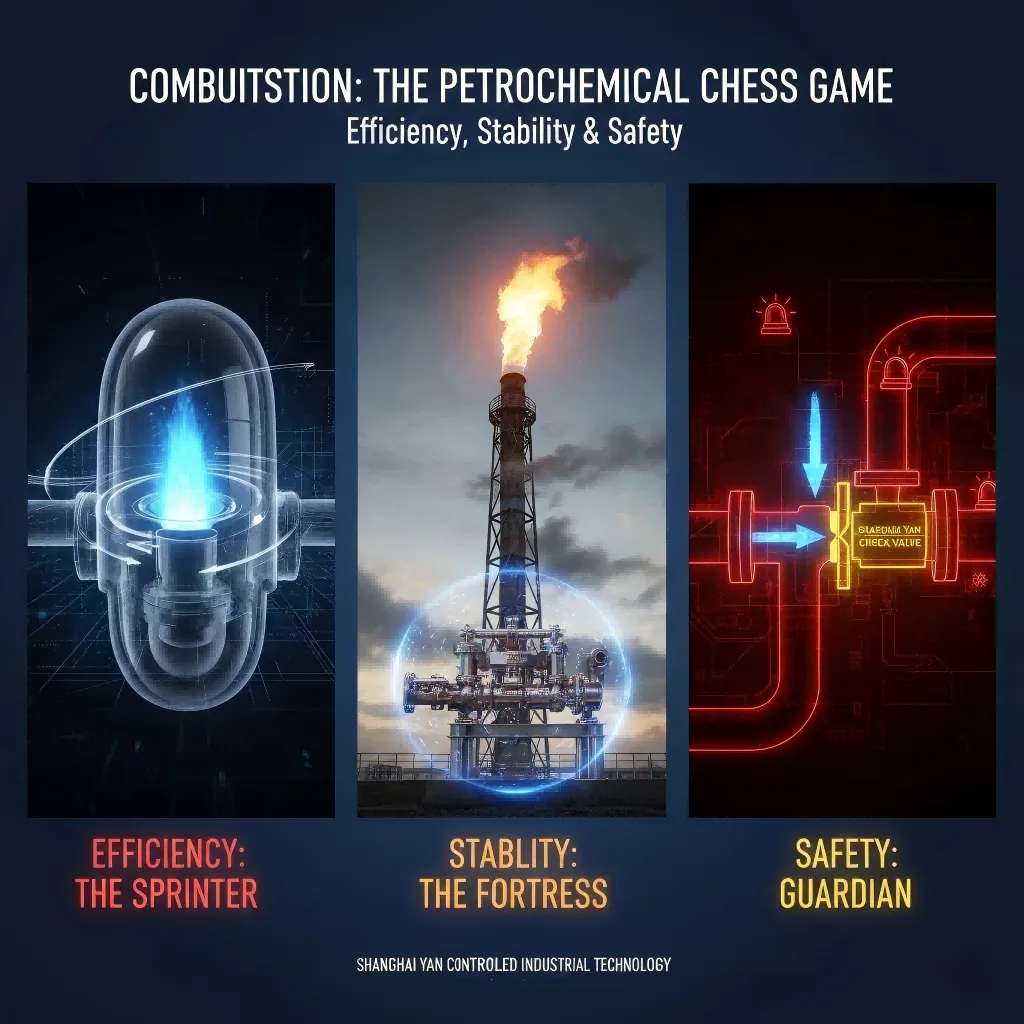
In the petrochemical industry, rising fuel costs and strict environmental rules are putting heavy pressure on plant managers. Choosing the wrong combustion method can lead to dangerous accidents or expensive shutdowns.
Combustion in petrochemicals is not just about burning fuel; it is a strategic choice between efficiency, stability, and safety. The three main types—premixed, diffusion, and partially premixed—offer different benefits. Premixed maximizes heat, diffusion ensures flames stay lit, and partially premixed offers a safe middle ground for heaters.
Many people think a burner is just a burner. I have seen engineers focus only on the price tag without looking at the physics behind the flame. This mistake often leads to systems that are hard to control or that fail environmental inspections. In my years at Shanghai Yan Controlled Industrial Technology, I have learned that understanding these three categories is the key to running a profitable plant. Let us break down these types so you can make the right decisions for your facility.
Why is Premixed Combustion Called the Double-Edged Sword of Efficiency?
You want to get the most heat out of every drop of gas to save money. However, pushing for maximum efficiency often brings new dangers that can damage your equipment.
Premixed combustion happens when fuel and air are fully mixed before they reach the ignition point. This method creates very high temperatures and burns fuel completely, which is great for efficiency. However, it comes with a high risk of flashback, where the flame travels back into the pipe.
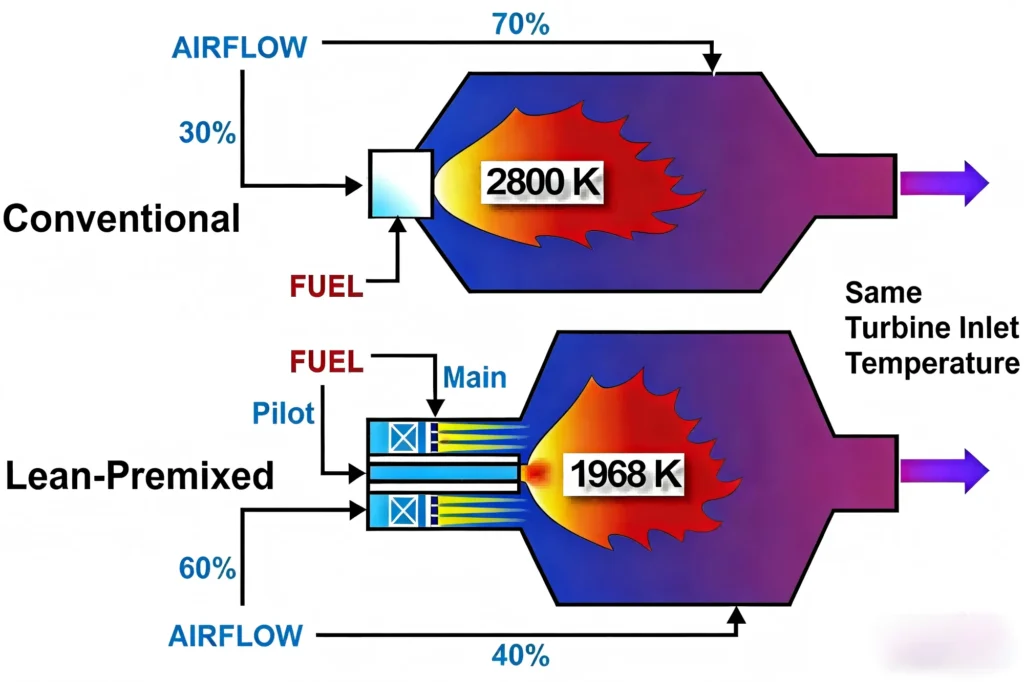
When we talk about premixed combustion, we are talking about the pursuit of perfection. In this system, we mix the fuel and the oxidizer (usually air) thoroughly before ignition. This is very common in gas turbines where high energy output is the main goal. The flame is short, intense, and blue. It leaves very little unburned fuel behind. This means you get the best possible thermal efficiency.
However, I always tell my clients to be careful. This efficiency comes at a price. The mixture in the tube is flammable. If the flow speed of the gas drops lower than the speed of the flame, the fire moves backward. This is called flashback. It can cause an explosion inside the mixing chamber. Therefore, if you use premixed combustion, your management focus must be on strict flow control. You need advanced sensors and safety valves. It is a trade-off. You get high heat, but you must maintain strict vigilance against safety risks.
| Feature | Premixed Combustion |
|---|---|
| Mixing Point | Before ignition (inside the burner) |
| Flame Character | Short, blue, intense |
| Primary Benefit | Maximum Thermal Efficiency |
| Primary Risk | Flashback (Explosion) |
| Typical Use | Gas Turbines, specialized heaters |
How Does Diffusion Combustion Prioritize Stability Under Extreme Conditions?
Sometimes, keeping the flame alive is more important than saving fuel. If a safety flare goes out during an emergency release, the consequences for the plant are catastrophic.
Diffusion combustion occurs when fuel and air mix only at the nozzle tip where the flame burns. This method is less efficient and can produce soot, but it is incredibly stable. It is the standard for safety flares because the flame resists blowing out.
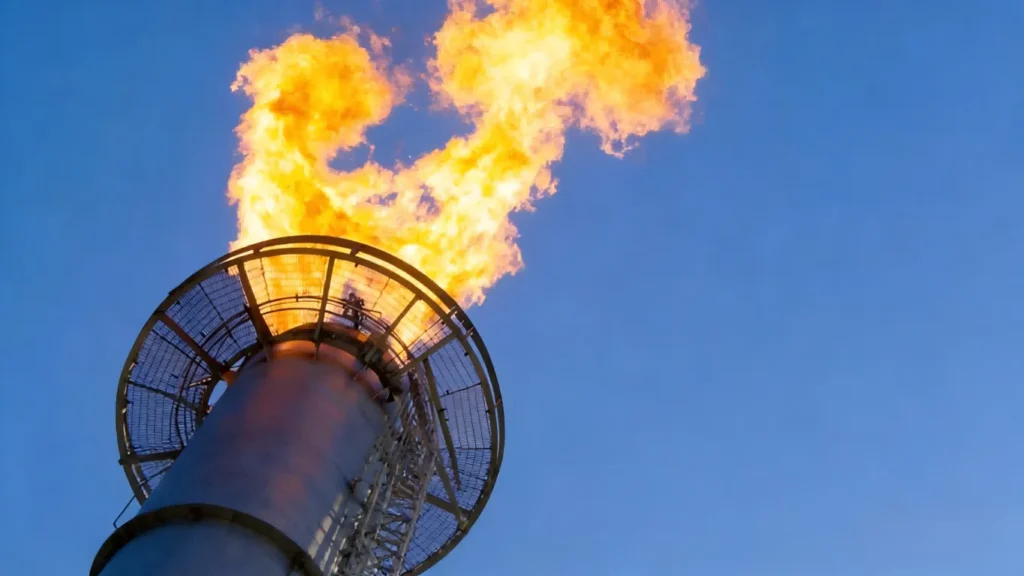
Diffusion combustion is the opposite of the premixed type. Here, we do not mix the fuel and air beforehand. The fuel comes out of the nozzle and finds oxygen in the surrounding space to burn. This process is slower. It creates a longer, yellow or orange flame. You have probably seen this on the top of flare stacks in refineries.
Why do we use this if it is less efficient? The answer is stability. I recall a project where a client needed a burner for a waste gas system with very unstable pressure. A premixed burner would have failed immediately. A diffusion flame is different. It is very hard to blow out. It creates a stable “anchor” for the fire. It adapts well to changes in fuel quality or pressure. The downside is that it does not mix perfectly. This can lead to unburned carbon, which we see as black smoke or soot. So, the trade-off here is accepting lower efficiency and potential smoke issues to ensure the plant remains safe during pressure relief events.
| Feature | Diffusion Combustion |
|---|---|
| Mixing Point | At the nozzle (during burning) |
| Flame Character | Long, yellow/orange, softer |
| Primary Benefit | High Stability and Safety |
| Primary Risk | Soot, Black Smoke, Lower Efficiency |
| Typical Use | Safety Flares, Waste Gas Incinerators |
Is Partially Premixed Combustion the Golden Mean for Core Equipment?
Most industrial heaters need a balance that extreme options cannot provide. You cannot afford explosions, but you also cannot afford to waste huge amounts of fuel in your daily operations.
Partially premixed combustion combines the strengths of both previous methods. It mixes some air with fuel before ignition and adds the rest at the nozzle. This balance provides good efficiency with high safety, making it the top choice for tubular heaters.
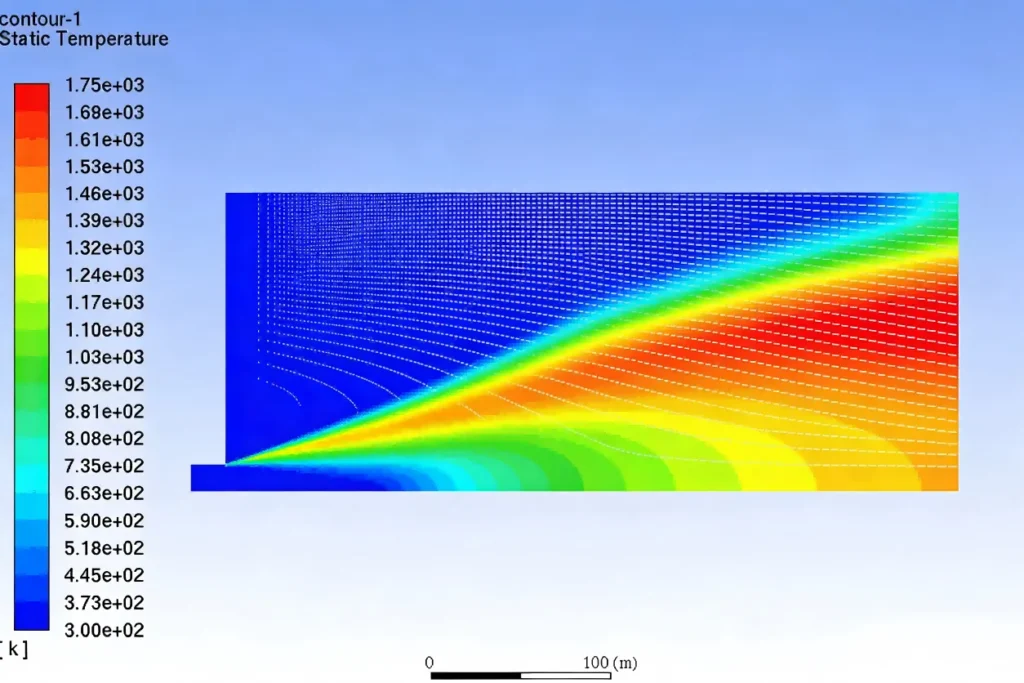
This is the “Golden Mean” of the petrochemical industry. In my experience, this is the most common type used in core equipment like tubular heaters and boilers. The logic is simple but brilliant. We inject a portion of the air (primary air) to mix with the fuel first. Then, we supply the rest of the air (secondary air) at the burner tip.
This method gives us a flame that is shorter and hotter than a diffusion flame, but safer than a fully premixed flame. It creates a stable flame root but still burns clean enough to save energy. For a manager like you, this solves two problems at once. You do not have the high flashback risk of a gas turbine, but you also avoid the black smoke of a flare. It harmonizes energy efficiency with safety. This balance is critical for heaters that run 24/7. It allows for easier control of the flame shape, which prevents hot spots on your expensive furnace tubes.
- Primary Air: Stabilizes the flame root.
- Secondary Air: Completes the burning process.
- Result: A manageable, efficient, and safe flame.
How Does Deep Insight into Combustion Logic Transform Risk Management?
Many managers treat every environmental problem the same way, which wastes money. You need to know which specific physical process is causing your emission or safety issues to fix them permanently.
Understanding combustion types allows you to pinpoint specific risks for each equipment piece. For premixed systems, you focus on explosion prevention. For diffusion systems, you focus on emissions. This logic also drives modern Low-NOx technologies and waste-to-resource conversion.
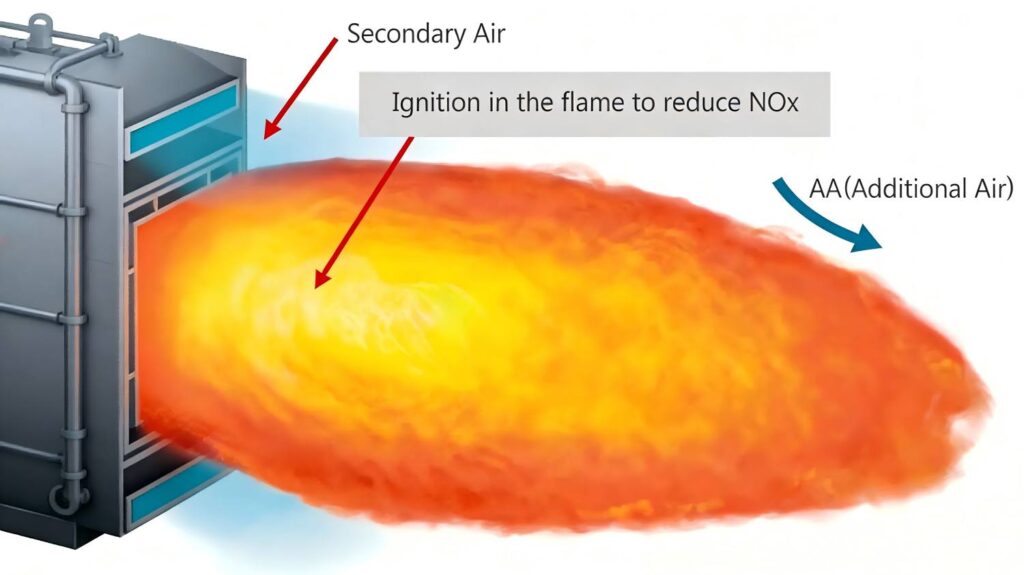
When you understand the physics I described above, your management style changes. You stop looking for “one size fits all” solutions. For your premixed units, your maintenance team focuses on checking check-valves and flow sensors to prevent flashbacks. For your diffusion units, like flares, you focus on steam injection to stop black smoke and meet environmental compliance.
This knowledge also helps you understand advanced technology. For example, Low-NOx combustion is a huge topic in Germany and the EU right now. The technology uses “staged combustion,” which is a variation of the partially premixed logic. It deliberately delays the mixing of air and fuel to lower the peak flame temperature. This reduces nitrogen oxide ($NO_x$) formation. If you understand the mixing logic, you understand how to tune these burners. Furthermore, there is “heterogeneous turbulent combustion.” This sounds complex, but it is the principle behind Fluid Catalytic Cracking (FCC) units. Here, we burn solid particles (coke) in a gas stream. This turns waste into heat. Understanding these distinctions ensures your plant runs for long cycles without unplanned stops, securing your economic profitability.
Strategic Risk Focus Table
| System Type | Primary Management Focus | Key Technical Goal |
|---|---|---|
| Premixed | Safety & Hardware Integrity | Prevent Flashback/Explosion |
| Diffusion | Environmental Compliance | Prevent Black Smoke/Soot |
| Partially Premixed | Operational Optimization | Balance Heat Transfer & Fuel Use |
| Low-NOx | Emission Control | Reduce Peak Temperature |
Conclusion
Combustion classification is a tool for balancing efficiency, stability, and safety. Whether using premixed for power, diffusion for flares, or partially premixed for heaters, the right choice ensures compliance and profit.