Achieving Seamless Transitions: How an Oil and Gas Burner Switches Fuels Without Downtime
In the modern industrial landscape, operational continuity is the cornerstone of profitability. The ability of a dual-fuel oil and gas burner to transition between fuel sources without extinguishing the flame or tripping the boiler is a sophisticated engineering feat. This capability allows facilities to capitalize on fluctuating fuel prices, maintain production during gas supply interruptions, and optimize their carbon footprint.
What is the Core Mechanism Behind a Dual-Fuel Oil and Gas Burner?
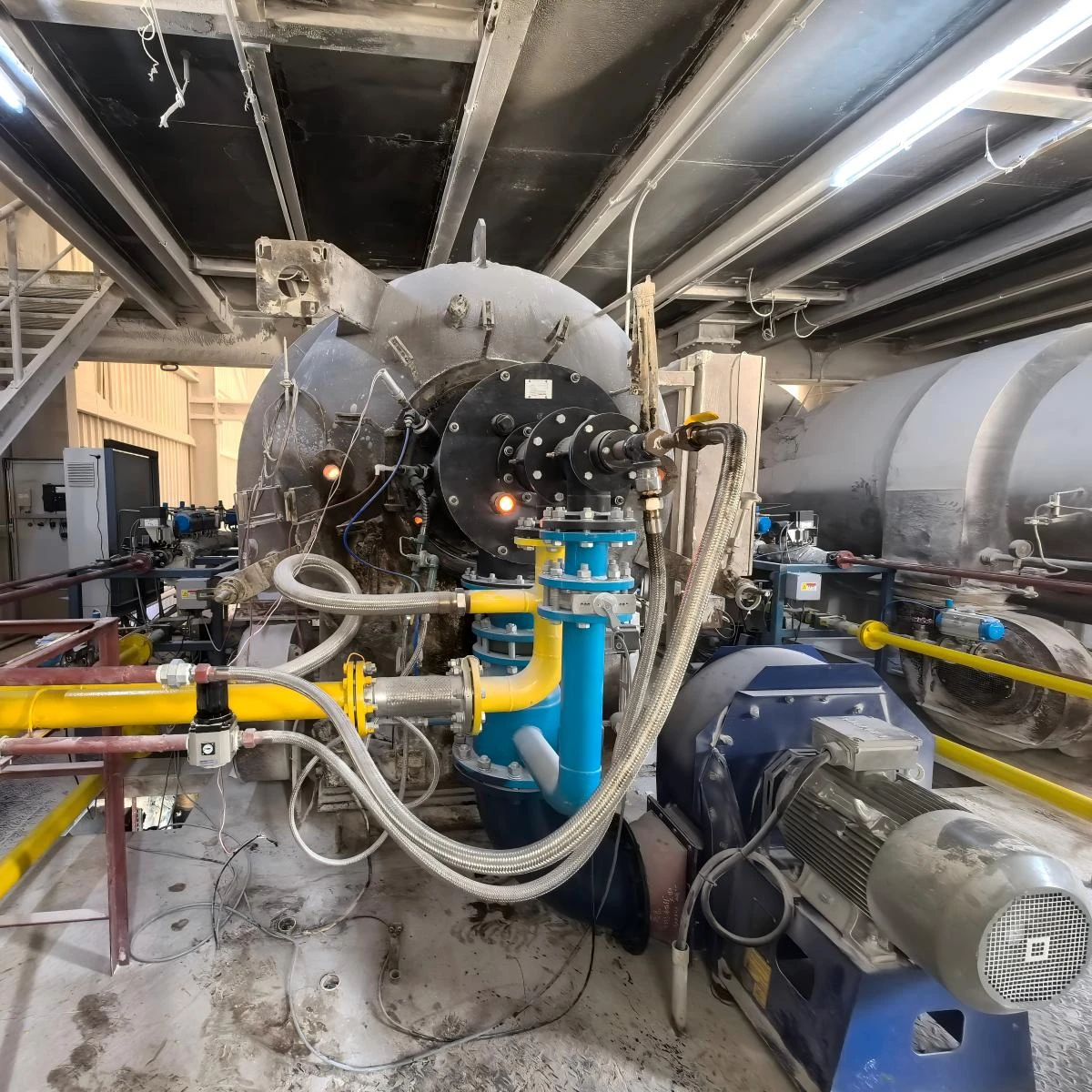
The core mechanism of a dual-fuel oil and gas burner lies in its integrated combustion head and independent fuel delivery trains managed by a central digital controller. Unlike single-fuel units, these burners feature a specialized nozzle assembly that can accommodate both a gas ring or manifold and an oil atomizer (mechanical or air/steam assisted). While the fuel paths remain separate to prevent cross-contamination, they share a common combustion air housing and blower system.
To achieve a “smooth” switch, the burner utilizes electronic linkage systems rather than mechanical cams. In traditional burners, mechanical linkages often have “slop” or hysteresis, making precise adjustments impossible during a transition. Modern electronic systems allow for independent servo motors to control fuel valves and air dampers with a precision of 0.1 degrees. This level of control ensures that as the gas valve begins to close, the oil valve opens in a perfectly synchronized “handover” that maintains a constant heat input to the furnace.
How Does the Combustion Control System Enable “Switching on the Fly”?
The Combustion Management System (CMS) enables “switching on the fly” by utilizing pre-programmed fuel-air curves that allow for a brief period of simultaneous firing. During the transition phase, the digital controller enters a “cross-over” mode. For a period typically lasting between 15 and 45 seconds [1], the burner may actually fire both fuels at a reduced rate. This ensures that the flame scanner never loses the signal, which would otherwise trigger a safety shutdown.
Advanced controllers store distinct “maps” for each fuel type. When a switch command is received—either manually or via an automated signal—the controller calculates the intermediate positions for all actuators. By monitoring the O2 levels in the stack in real-time, the system can adjust the air-fuel ratio dynamically, ensuring that the transition does not result in a spike in Carbon Monoxide (CO) or a loss of flame stability. This transition is so stable that steam pressure fluctuations are often kept within a margin of less than 1-2% of the setpoint.
What Technical Challenges Must Be Overcome for Smooth Transitions?
The primary technical challenges in fuel switching involve managing the vastly different combustion characteristics and viscosity profiles of natural gas versus fuel oil. Natural gas is a consistent, gaseous fuel that mixes easily with air. In contrast, fuel oil requires atomization—breaking the liquid into a fine mist—to burn efficiently. If the transition is too rapid, the oil may not ignite properly, leading to soot accumulation or “puffing” in the combustion chamber.
What are the Critical Safety Protocols During Fuel Switching?
Critical safety protocols during fuel switching are governed by the Burner Management System (BMS), which enforces a strict sequence of leak detection and pressure verification. Before the second fuel valve is allowed to open, the system performs a “Valve Proving System” (VPS) check. According to NFPA 85 standards [2], the transition must maintain a total heat input that does not exceed the boiler’s maximum rated capacity to protect the structural integrity of the pressure vessel.
Furthermore, flame monitoring is intensified during the switch. Most dual-fuel industrial burners are equipped with dual-sensor flame scanners that can detect the specific wavelengths of both gas and oil combustion. The digital controller manages this by “de-rating” the primary fuel as the secondary fuel is introduced, ensuring the thermal stress on the boiler tubes remains within safe limits while preventing a partial-fire condition.
How Does Fuel Switching Improve Operational Efficiency and Cost?
Fuel switching improves efficiency and reduces costs by allowing for “Peak Shaving” and leveraging “Interruptible Gas Contracts,” which can reduce annual energy spend by 10-15% [3]. Many utility companies offer significantly lower rates to industrial users who agree to switch to an alternative fuel during periods of high grid demand. A burner capable of non-stop switching allows a factory to take advantage of these contracts without losing production time.
Beyond the contract savings, the ability to switch fuels contributes to a higher “Seasonal Efficiency.” Data indicates that burners equipped with electronic fuel-air ratio control and O2 trim can achieve a fuel savings of 3-5% [4] compared to traditional mechanical linkage dual-fuel burners. This technology ensures that whether the unit is burning gas or oil, the combustion remains at the optimal point of maximum heat release with minimum excess air.
What Maintenance is Required to Ensure Reliable Switching?
Reliable switching requires a rigorous maintenance schedule focused on nozzle cleanliness, sensor calibration, and fuel oil quality. Because the oil side of the burner may sit idle for months while the unit fires gas, the oil nozzles are prone to “coking”—a buildup of carbon deposits caused by the heat of the gas flame. Regular maintenance must include periodic test switches to ensure the oil actuators have not seized and the fuel oil has not degraded into sludge.
