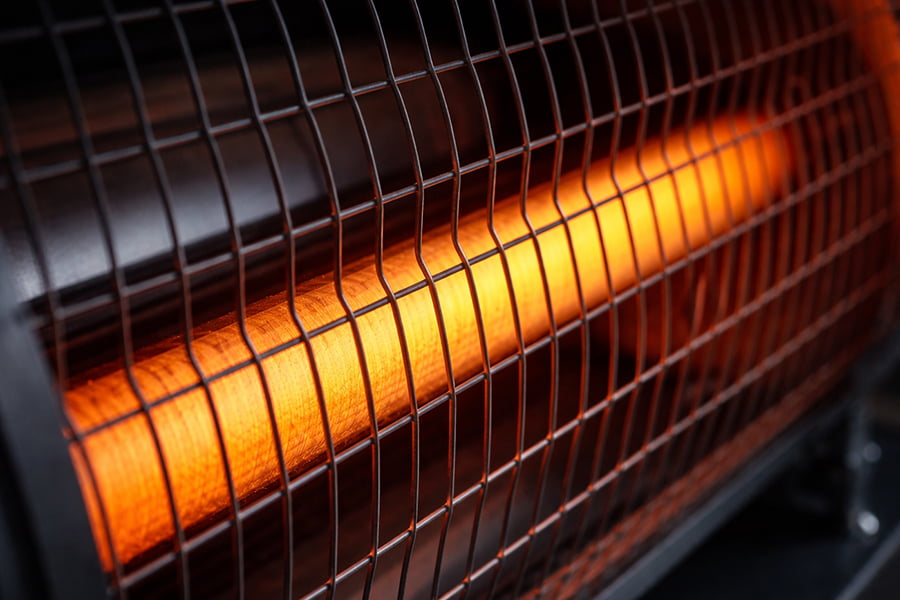
Indirect-fired Hot Air Heater
The core logic of our industrial combustion system solution for indirect-fired hot air heaters is rooted in the indirect heat exchange principle, with safety, regulatory compliance, and operational efficiency as…
Engineering context and scope
The core logic of our industrial combustion system solution for indirect-fired hot air heaters is rooted in the indirect heat exchange principle, with safety, regulatory compliance, and operational efficiency as the foundational pillars. It integrates precise combustion control, high-efficiency heat transfer matching, low-nitrogen emission optimization, and scenario-specific system customization to deliver clean, stable-temperature hot air—effectively isolating combustion byproducts from the process air—while balancing energy conservation, long-term operational reliability, and adaptability to diverse industrial requirements, ultimately meeting targeted process temperature demands while reducing environmental footprint and overall operating costs.
Start with the operating conditions
Selection depends on the process, fuel, required duty and site conditions. Share the information available; the remaining details can be reviewed with the engineering team.
Application and duty
Describe the process equipment, required heat input, operating temperature and duty cycle.
Fuel and controls
Include fuel type, supply conditions, existing control system and any site safety requirements.
Interfaces and emissions
Provide available drawings, space limits, site emissions targets and applicable requirements. Feasibility is reviewed against the actual operating conditions.
Discuss your operating requirements
Tell us about your application, fuel, capacity, temperature and site constraints. Our team can review the information and discuss the next engineering step.