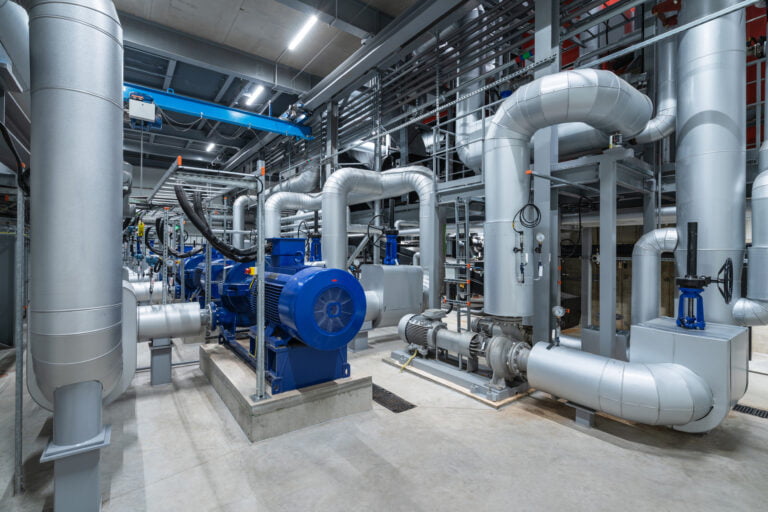
Direct-fired Hot Air Heater
Our industrial combustion system solution for Direct-fired Hot Air Heaters focuses on efficient, clean, and reliable thermal supply—using advanced direct combustion for rapid heat exchange, producing high-purity, evenly distributed hot…
Engineering context and scope
Our industrial combustion system solution for Direct-fired Hot Air Heaters focuses on efficient, clean, and reliable thermal supply—using advanced direct combustion for rapid heat exchange, producing high-purity, evenly distributed hot air with precise temperature control to suit varied industrial needs, incorporating low-NOx combustion and optimized air-fuel ratio control for strict environmental compliance, boosting thermal efficiency by reducing heat loss, featuring real-time intelligent monitoring and adaptive adjustment for dynamic production loads, equipping reliable safety interlocks (e.g., flame detection, over-temperature protection) and seamless compatibility with existing processes, ultimately delivering a cost-effective, eco-friendly, and stable hot air supply closed loop.
Start with the operating conditions
Selection depends on the process, fuel, required duty and site conditions. Share the information available; the remaining details can be reviewed with the engineering team.
Application and duty
Describe the process equipment, required heat input, operating temperature and duty cycle.
Fuel and controls
Include fuel type, supply conditions, existing control system and any site safety requirements.
Interfaces and emissions
Provide available drawings, space limits, site emissions targets and applicable requirements. Feasibility is reviewed against the actual operating conditions.
Discuss your operating requirements
Tell us about your application, fuel, capacity, temperature and site constraints. Our team can review the information and discuss the next engineering step.