DeNOx heating Industry
Industrial solution

DeNOx heating Industry

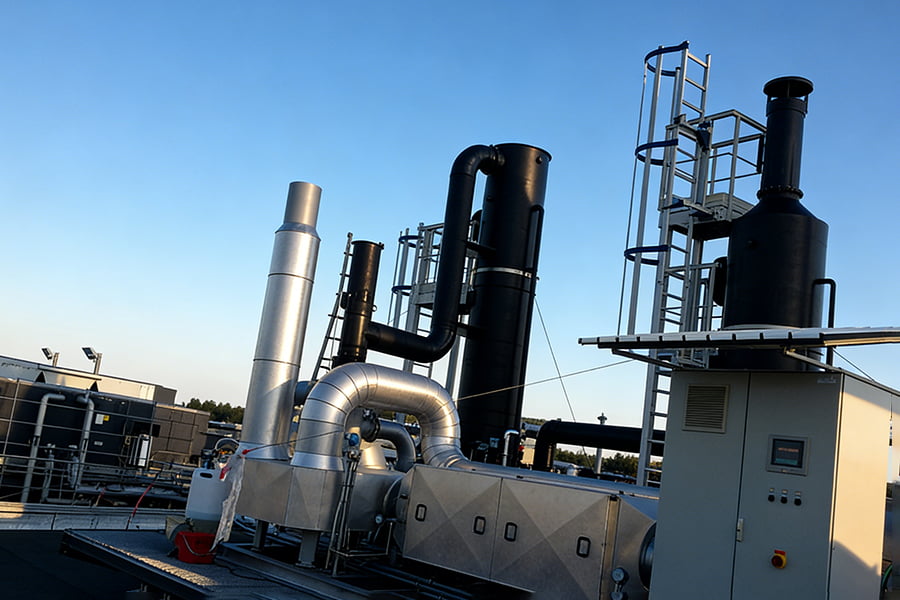
Industrial combustion systems are critical for DeNOx heating, supplying reliable thermal energy to maintain optimal temperatures for efficient denitrification. Widely integrated into SCR/SNCR technologies in power, steel, cement, and other…

The solution

Engineering context and scope

Industrial combustion systems are critical for DeNOx heating, supplying reliable thermal energy to maintain optimal temperatures for efficient denitrification. Widely integrated into SCR/SNCR technologies in power, steel, cement, and other high-NOₓ industries, they ensure efficiency and emission compliance.
Key advantages:
  • Precise Temperature Control: Heat clean fuels to activate SCR/SNCR reactions, avoiding catalyst deactivation.
  • DeNOx Synergy: Sync thermal output with ammonia/urea injection, boosting efficiency.
  • Energy Efficiency: Recover flue gas waste heat to reduce fuel consumption and costs.
  • Low Secondary Emissions: Use low-NOₓ burners to minimize extra NOₓ, meeting strict standards.
  • Fluctuation Adaptability: Dynamic thermal adjustment via automation for stable reaction temperatures.
  • Safety & Reliability: Robust interlocks and anti-corrosion designs for harsh environments, ensuring uninterrupted operation.
DeNOx heating Industry
For an engineering review

Start with the operating conditions

Selection depends on the process, fuel, required duty and site conditions. Share the information available; the remaining details can be reviewed with the engineering team.

01 / PROCESS

Application and duty

Describe the process equipment, required heat input, operating temperature and duty cycle.

02 / FUEL

Fuel and controls

Include fuel type, supply conditions, existing control system and any site safety requirements.

03 / SITE

Interfaces and emissions

Provide available drawings, space limits, site emissions targets and applicable requirements. Feasibility is reviewed against the actual operating conditions.

Related equipment

Products linked to this solution

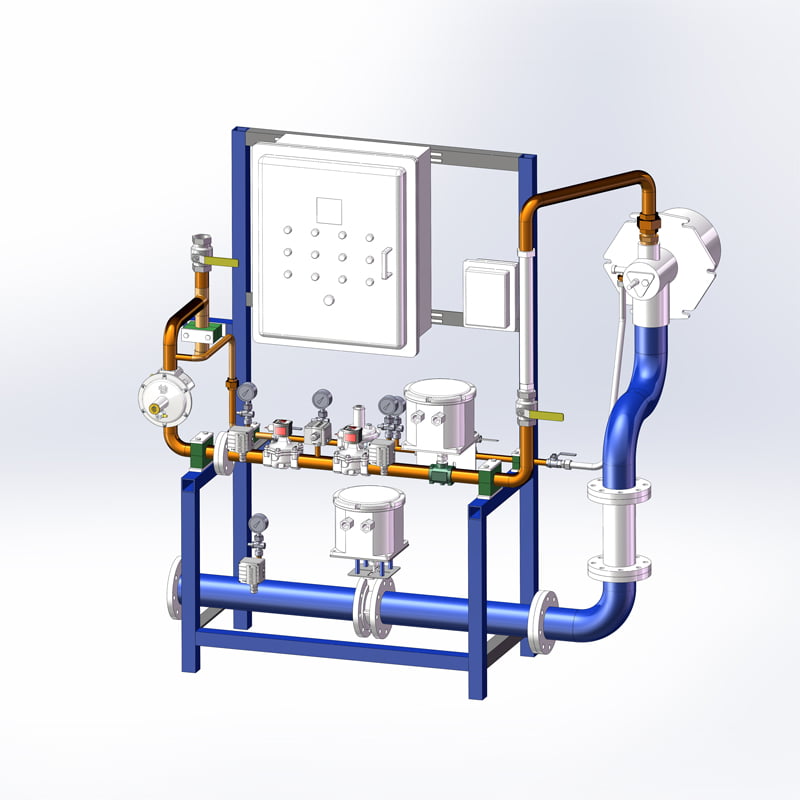
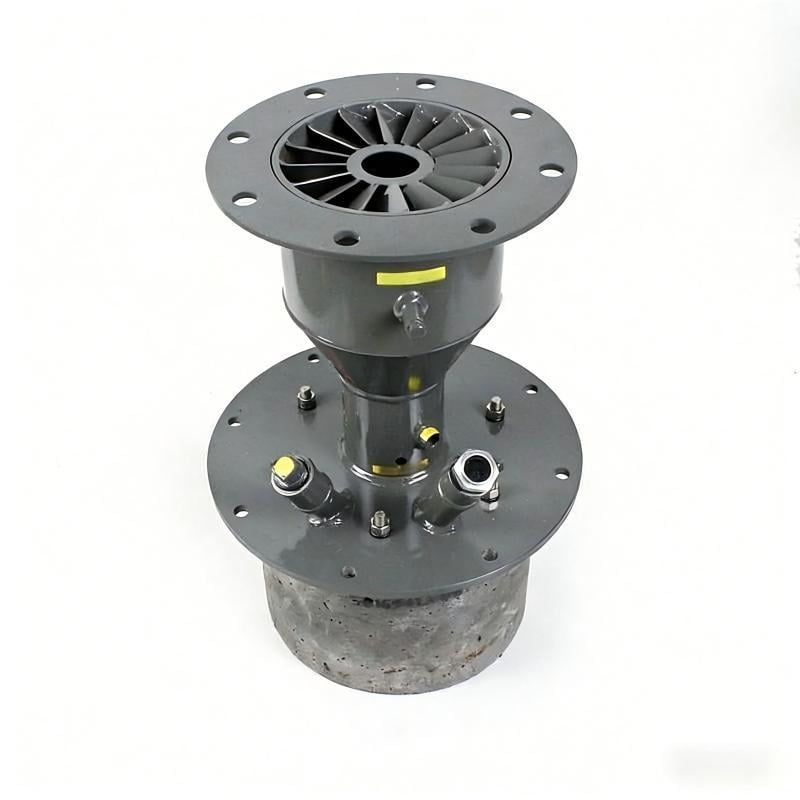
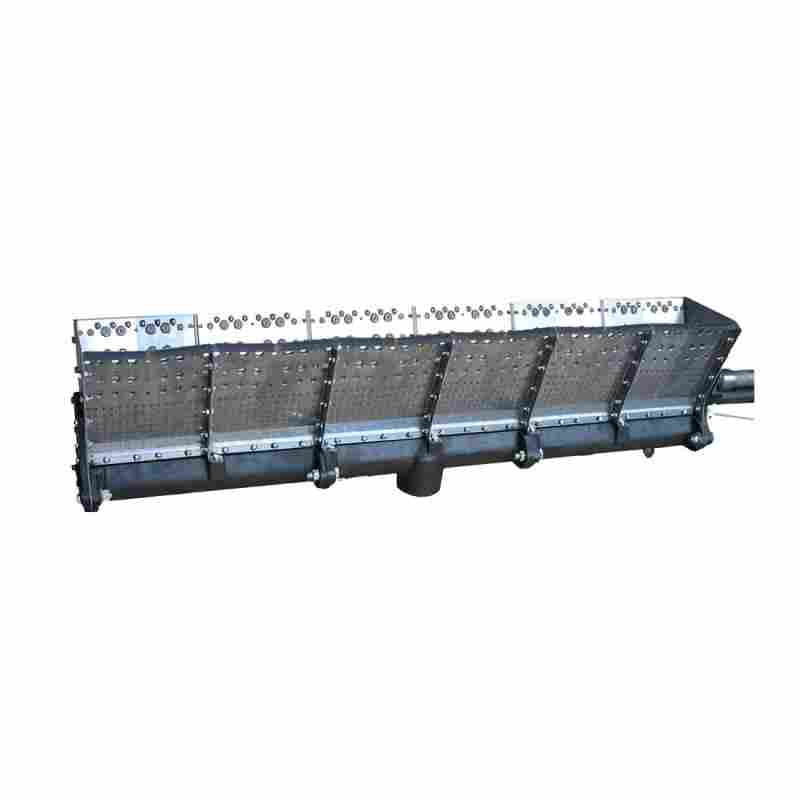
Review the listed equipment and share your operating conditions for model selection. Compatibility must be confirmed for each project.

Project enquiry

Discuss your operating requirements

Tell us about your application, fuel, capacity, temperature and site constraints. Our team can review the information and discuss the next engineering step.