Engineering Report
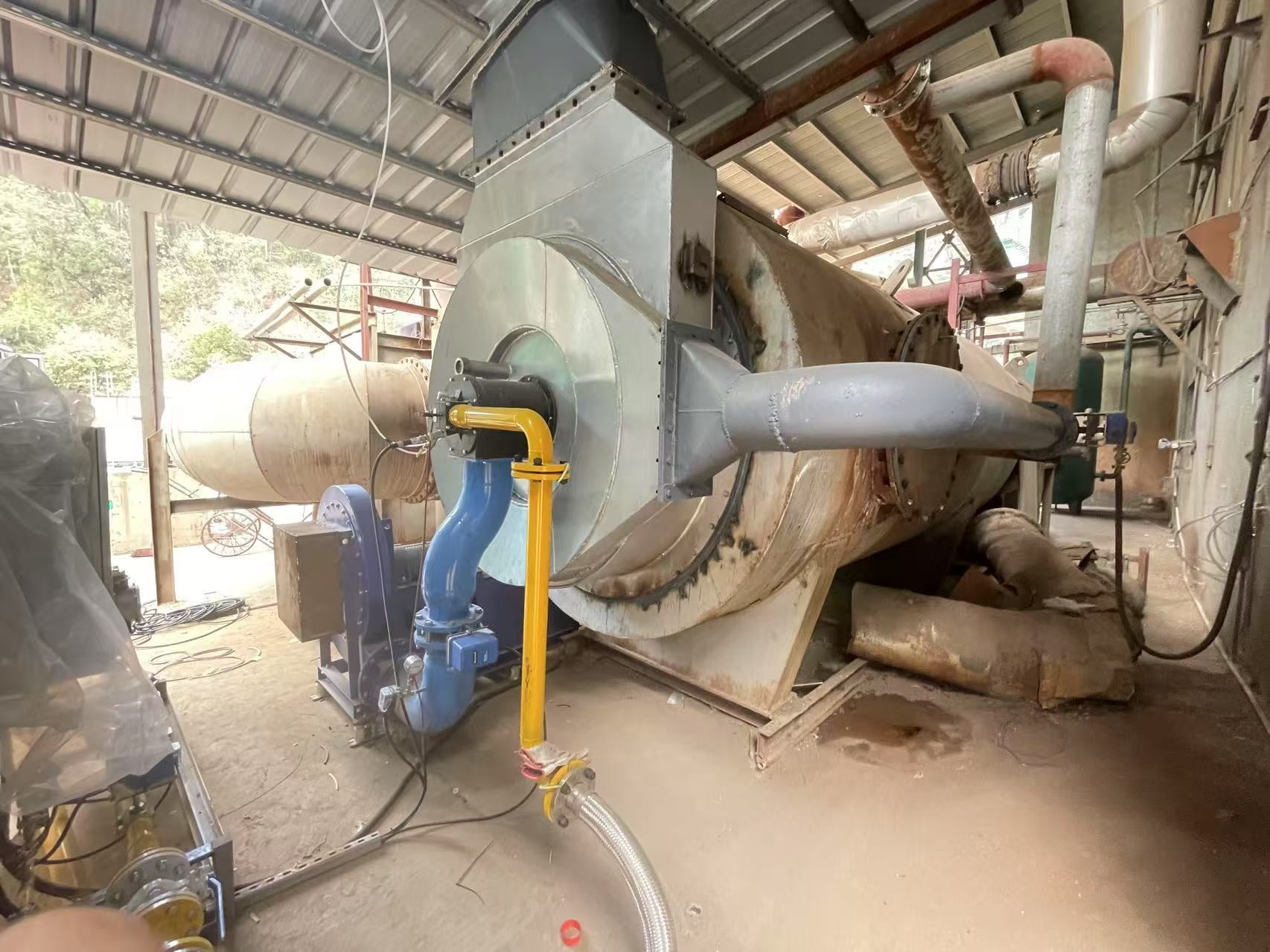
A top domestic rock wool manufacturer (with an annual production capacity of 80,000 tons and products exported to 12 countries including those in the EU and Southeast Asia) faced dual pressures of high energy consumption and compliance risks with its waste gas incinerator—the core environmental protection and energy-consuming equipment of the production line (rated treatment capacity: 30,000 Nm³/h).
The original incinerator was equipped with an integrated mechanical ratio-adjusting burner, which only achieved a combustion air-gas ratio adjustment accuracy of ±5%. Unable to adapt to the dynamic changes in the calorific value of waste gas (fluctuating range: 4,500–6,800 kcal/Nm³) during rock wool production, the burner suffered from persistent incomplete combustion issues.
Data before renovation showed that: the incinerator’s daily natural gas consumption reached 12,000 cubic meters, with gas costs accounting for 18% of the unit product cost, translating to an annual gas expenditure of over 4.5 million RMB. Meanwhile, incomplete combustion led to a NOx emission concentration of 85 mg/m³, close to the local environmental standard limit (100 mg/m³), along with the risk of black ash emissions. These issues directly undermined the compliance and market competitiveness of the enterprise’s export products.
To completely resolve these pain points, after comparing multiple options (evaluating 3 international brands and 2 domestic manufacturers), the enterprise ultimately selected Heatflam to develop a customized renovation solution, thanks to our expertise in customized industrial combustion systems, partnership advantages in Honeywell core components, and global compliance experience.
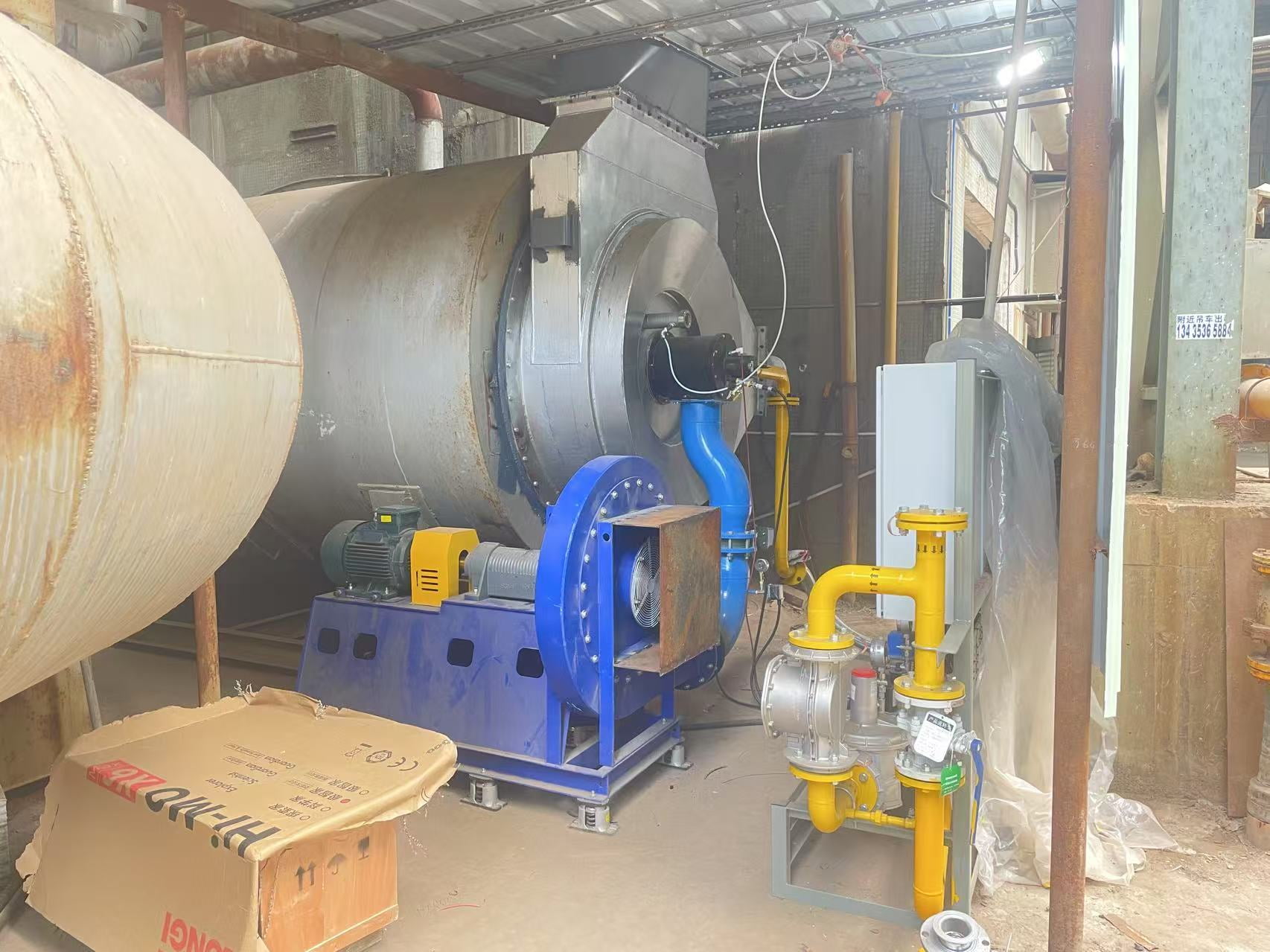
Our technical team immediately conducted on-site inspections, recording 120 sets of data on waste gas composition, temperature, and pressure through a 3-day full-time working condition monitoring. Combined with digital twin simulation technology, we designed a tailored renovation solution integrating the Honeywell electronic proportional combustion control system and Flue Gas Recirculation (FGR) technology, addressing the characteristics of high dust content (150–200 mg/Nm³) and large calorific value fluctuations of rock wool waste gas:
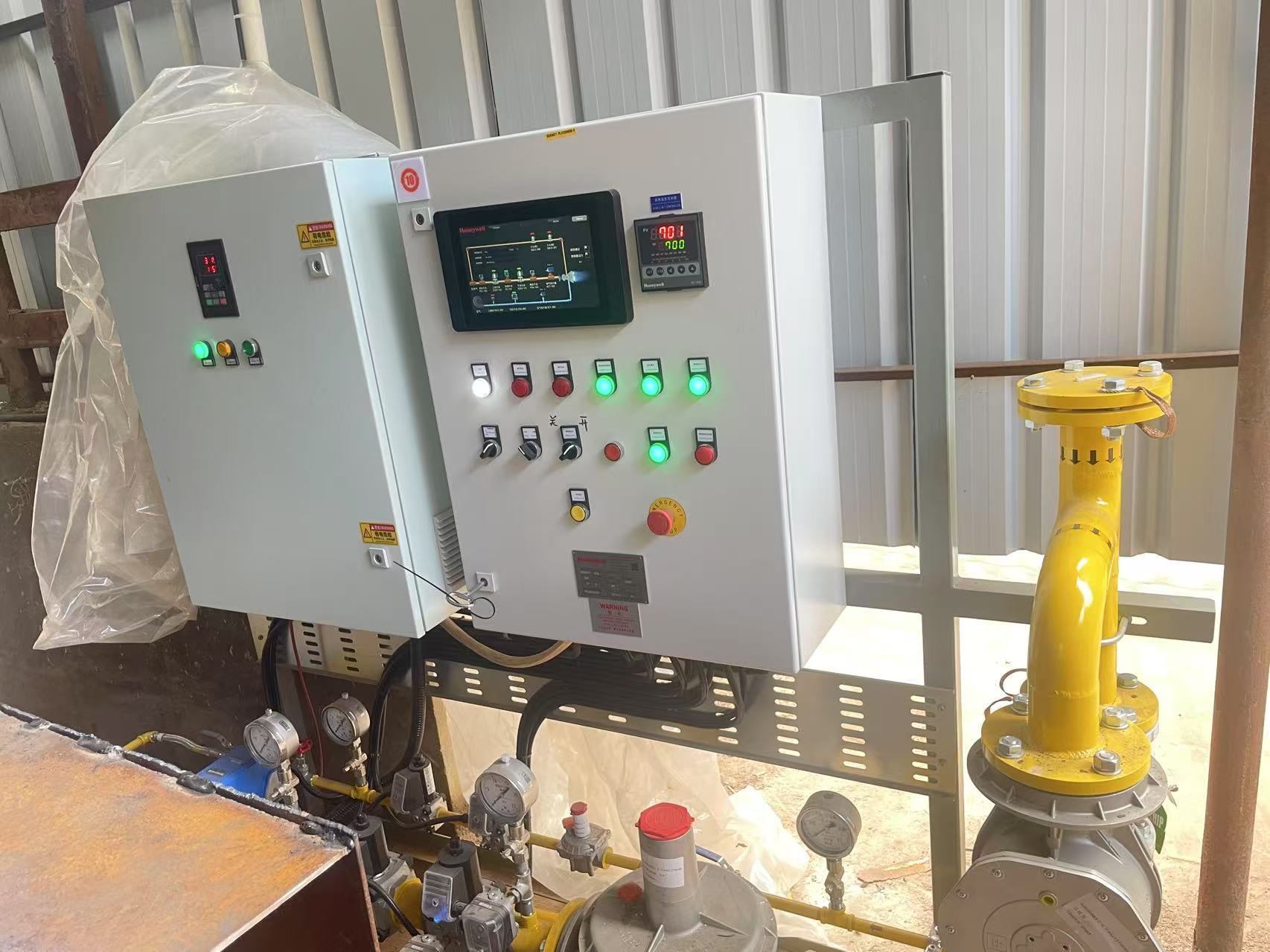
- Core Components: Adopted Honeywell UDC2300 precision controller and S7-1200 PLC control system to achieve real-time air-fuel ratio adjustment with 0.1% accuracy, perfectly matching dynamic changes in waste gas calorific value.
- Structural Optimization: Customized anti-clogging combustion nozzles (made of wear-resistant ceramic materials) and added FGR pipelines (with a recovery efficiency of 32%) to enhance combustion stability.
- System Compatibility: Reserved EU CE certification compliance interfaces to ensure NOx emissions meet mainstream global environmental standards.
During the proposal presentation, we also provided a detailed energy-saving calculation report (based on the client’s 3-year historical operation data), a 1:10 model combustion simulation video, and similar project cases (renovation data of a 60,000-ton-per-year rock wool enterprise). We clearly informed the client that the renovation would reduce natural gas consumption by 8%–10%, with an investment payback period of no more than 16 months.
After comprehensively evaluating technical maturity, energy-saving effects, and long-term operation and maintenance costs, the client finalized the renovation plan. Our professional construction team adopted a peak-shifting construction model, completing burner installation, system commissioning, and staff operation training in just 28 days—without disrupting the normal production capacity of the line (220 tons per day), achieving a zero-shutdown renovation.
Following the renovation, our team conducted a 3-month (90-day) continuous operation data tracking and monitoring, drawing a clear comparison with pre-renovation performance:
- Energy Consumption Optimization: Daily natural gas consumption dropped to 10,800 cubic meters, a 10% reduction from the pre-renovation level. This translates to an annual natural gas saving of 438,000 cubic meters, cutting annual gas costs by approximately 1.6644 million RMB (based on the local natural gas price of 3.8 RMB per cubic meter).
- Emission Compliance: NOx emission concentration stabilized at 28 mg/m³, far below the EU EN 676 standard (30 mg/m³) and China’s GB13271-2014 standard (50 mg/m³), completely eliminating the risk of EU carbon tariffs.
- Operation & Maintenance Improvement: The stable operation cycle of the burner extended from 30 days to 90 days, and maintenance frequency reduced from twice a month to once a quarter, cutting annual maintenance costs by about 120,000 RMB.
- Efficiency Enhancement: The thermal efficiency of the incinerator increased from 82% to 92.3%, and the qualified rate of waste gas treatment rose from 95% to 99.8%.
The Production Director of the enterprise commented: “Heatflam’s customized solution perfectly aligns with our production conditions. After renovation, not only did our energy consumption costs drop significantly, but our environmental compliance has also been recognized by EU clients. We recovered the full investment in just 14 months. The stability of Honeywell components, combined with Heatflam’s 24/7 technical support, has given us a stronger foothold in the international market competition.”
This renovation not only helped the client achieve a win-win outcome of economic and environmental benefits but also demonstrated Heatflam’s core strengths in customization, energy-saving optimization, and global compliance of industrial combustion systems—providing a full lifecycle closed-loop service covering working condition diagnosis, solution design, installation and commissioning, and after-sales support.