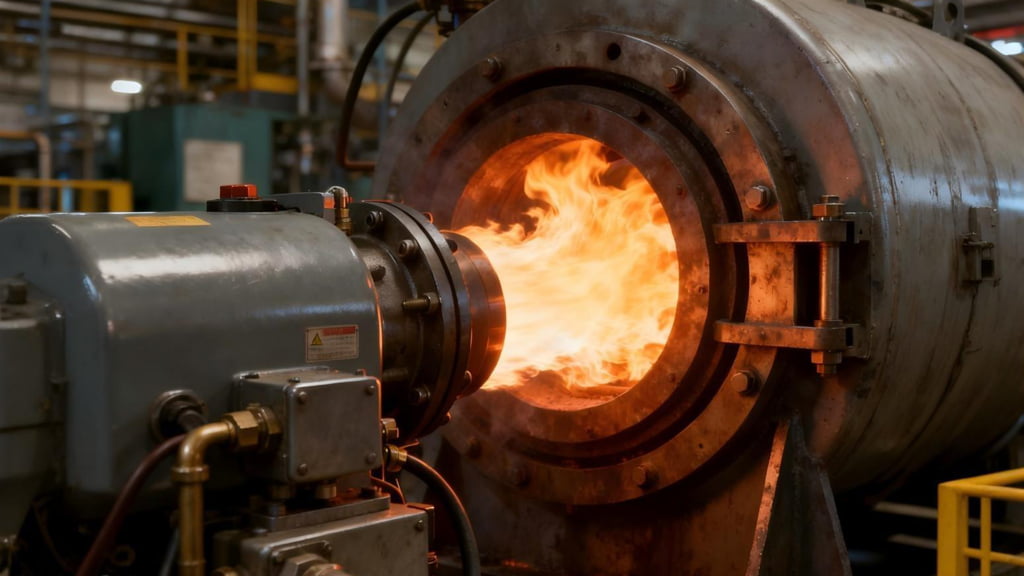
Industrial Drying and Combustion Systems: Transforming Africa’s Industrial Landscape
Africa’s rapid economic growth, driven by sectors like agriculture, mining, manufacturing, and pharmaceuticals, has created an urgent demand for efficient, reliable, and sustainable processing technologies. Among these, industrial drying and combustion systems stand out as critical enablers—addressing longstanding challenges such as post-harvest losses, low productivity, and energy inefficiency. This blog explores how these systems are reshaping industries across the continent, their unique advantages for African contexts, real-world applications, and the path forward for broader adoption.
The Case for Industrial Drying & Combustion in Africa
Africa’s diverse climate—from the humid tropics of West Africa to the arid savannas of East Africa—presents distinct processing hurdles. For example:
- Agriculture: Over 30% of Africa’s food crops (e.g., maize, coffee, cocoa, cashews) are lost annually due to inadequate drying, leading to spoilage, mold growth, and reduced market value. Smallholder farmers and large agribusinesses alike struggle with inconsistent sun-drying methods, which are vulnerable to weather fluctuations and contamination.
- Mining: Africa is a global leader in mineral production (gold, copper, lithium, bauxite), but mineral ores often require drying to reduce moisture content before processing or export. Traditional methods (e.g., open-air drying) are slow, inefficient, and environmentally damaging.
- Manufacturing: Textiles, pharmaceuticals, and chemicals industries rely on precise drying to ensure product quality and shelf life. Many local manufacturers still use outdated, energy-intensive systems that drive up costs and emissions.
Industrial drying and combustion systems solve these pain points by combining controlled heat transfer, efficient combustion, and automated moisture regulation—delivering faster, more consistent results while minimizing waste and environmental impact.
Key Advantages for African Markets
What makes these systems particularly well-suited for Africa? Three core strengths stand out:
1. Adaptability to Local Energy Sources
Africa’s energy landscape is diverse, with abundant renewable resources (biomass, solar, hydro) and limited grid access in rural areas. Modern industrial drying systems are designed to run on multiple fuel sources:
- Biomass: Agricultural waste (e.g., corn cobs, coffee husks, sugarcane bagasse) is widely available across Africa. Combustion systems optimized for biomass not only reduce reliance on fossil fuels but also create value from waste, supporting circular economies.
- Solar Hybrid: In sun-rich regions like the Sahel, solar-assisted drying systems cut energy costs by integrating photovoltaic (PV) panels with low-emission combustion backups for cloudy days.
- Diesel/LPG Flexibility: For remote mining sites or urban manufacturing hubs, systems can switch between diesel, liquefied petroleum gas (LPG), or natural gas—ensuring reliability even in areas with unstable energy grids.
2. Efficiency & Cost Savings
Traditional drying methods are labor-intensive and inefficient: sun-drying can take days, while outdated combustion systems waste up to 60% of energy as heat loss. Modern systems use advanced technologies (e.g., recirculating heat exchangers, automated temperature controls, and direct/indirect combustion designs) to achieve energy efficiency rates of 70–90%. This translates to:
- Faster processing times (e.g., drying 1 ton of coffee beans in 8 hours vs. 3 days of sun-drying).
- Lower operational costs (reduced fuel use and labor requirements).
- Higher product quality (consistent moisture levels prevent spoilage and improve marketability).
3. Environmental Sustainability
As Africa prioritizes climate action (aligned with the Paris Agreement and Agenda 2063), low-emission technologies are non-negotiable. Modern combustion systems incorporate emissions control features (e.g., particulate filters, catalytic converters) to reduce greenhouse gases (GHGs), sulfur dioxide (SO₂), and particulate matter—critical for complying with regional environmental regulations and protecting local communities. For example, biomass-fired systems emit 60–80% less CO₂ than diesel-powered alternatives when accounting for carbon sequestration in biomass feedstocks.
Real-World Applications Across Africa
From East Africa’s coffee plantations to Southern Africa’s mining hubs, industrial drying and combustion systems are already delivering tangible impact:
1. Coffee Drying in Kenya
Kenya’s coffee industry, known for its high-quality Arabica beans, has long struggled with post-harvest losses due to erratic rainfall. In 2022, a cooperative of 500 smallholder farmers in Nyeri County adopted biomass-fired batch dryers. The systems use coffee husks (a byproduct of processing) as fuel, reducing drying time from 3–4 days to 12 hours. Post-adoption, the cooperative’s spoilage rate dropped from 25% to 5%, and bean quality improved—leading to a 30% increase in export prices.
2. Mineral Drying in South Africa
South Africa’s platinum and gold mines are shifting from coal-fired dryers to hybrid systems that combine natural gas and solar energy. A mine in Rustenburg implemented a continuous-flow drying system in 2023, which dries 500 tons of ore per day with 40% less energy use than its predecessor. The system’s emissions control technology also reduced particulate matter emissions by 75%, helping the mine comply with South Africa’s strict air quality regulations.
3. Cashew Processing in Nigeria
Nigeria is Africa’s largest cashew producer, but 40% of cashews are lost to poor drying. In 2021, a cashew processing plant in Ogun State installed solar-biomass hybrid dryers. The system uses solar energy during the day and switchgrass (a locally grown biomass crop) at night, cutting fuel costs by 55%. The plant now processes 30% more cashews annually, creating 120 new jobs and reducing reliance on imported dried cashews.
Challenges & Solutions for Broader Adoption
Despite their benefits, industrial drying and combustion systems face barriers to widespread adoption in Africa:
1. High Initial Investment
Many small and medium-sized enterprises (SMEs) and smallholder cooperatives lack the capital to purchase modern systems.
- Solution: Public-private partnerships (PPPs) and international funding (e.g., from the African Development Bank) can provide low-interest loans or grants. Rental models—where companies lease drying equipment by the hour or ton—are also gaining traction, making technology accessible without upfront costs.
2. Limited Technical Expertise
Operating and maintaining advanced drying systems requires specialized skills.
- Solution: Local training programs, led by equipment manufacturers and NGOs, are equipping workers with troubleshooting and maintenance skills. Digital tools (e.g., mobile apps with step-by-step guides) are also simplifying operation for users with limited technical background.
3. Supply Chain Gaps
In remote areas, accessing spare parts and fuel can be challenging.
- Solution: Localized manufacturing of key components (e.g., biomass burners, filters) is reducing reliance on imports. Partnerships with local fuel suppliers (e.g., biomass aggregators) ensure consistent feedstock availability.
The Future: Toward Smart, Sustainable Drying
The next generation of industrial drying and combustion systems in Africa will be defined by digitization and renewable integration:
- Smart Monitoring: IoT sensors will enable real-time tracking of moisture levels, energy use, and emissions—allowing users to optimize performance remotely via mobile devices.
- 100% Renewable Systems: Solar-biomass hybrids will evolve to run entirely on renewables, with battery storage addressing intermittency.
- Regional Collaboration: Cross-border initiatives (e.g., shared drying hubs for smallholder farmers in East Africa) will reduce duplication and lower costs, particularly in rural areas.
Conclusion
Industrial drying and combustion systems are more than just pieces of equipment—they are catalysts for Africa’s industrialization and food security. By addressing critical pain points in agriculture, mining, and manufacturing, these technologies empower local businesses to compete globally, reduce waste, and build sustainable economies. As governments, investors, and manufacturers continue to collaborate on increasing access and affordability, the future of Africa’s industrial sector will be drier, more efficient, and more resilient.
For businesses looking to embrace this transformation, the time to act is now—industrial drying and combustion systems are not just a solution for today’s challenges, but a foundation for Africa’s prosperous tomorrow.